Key Sport and Leisure Insights from UKREiiF 2026
24 May 2026
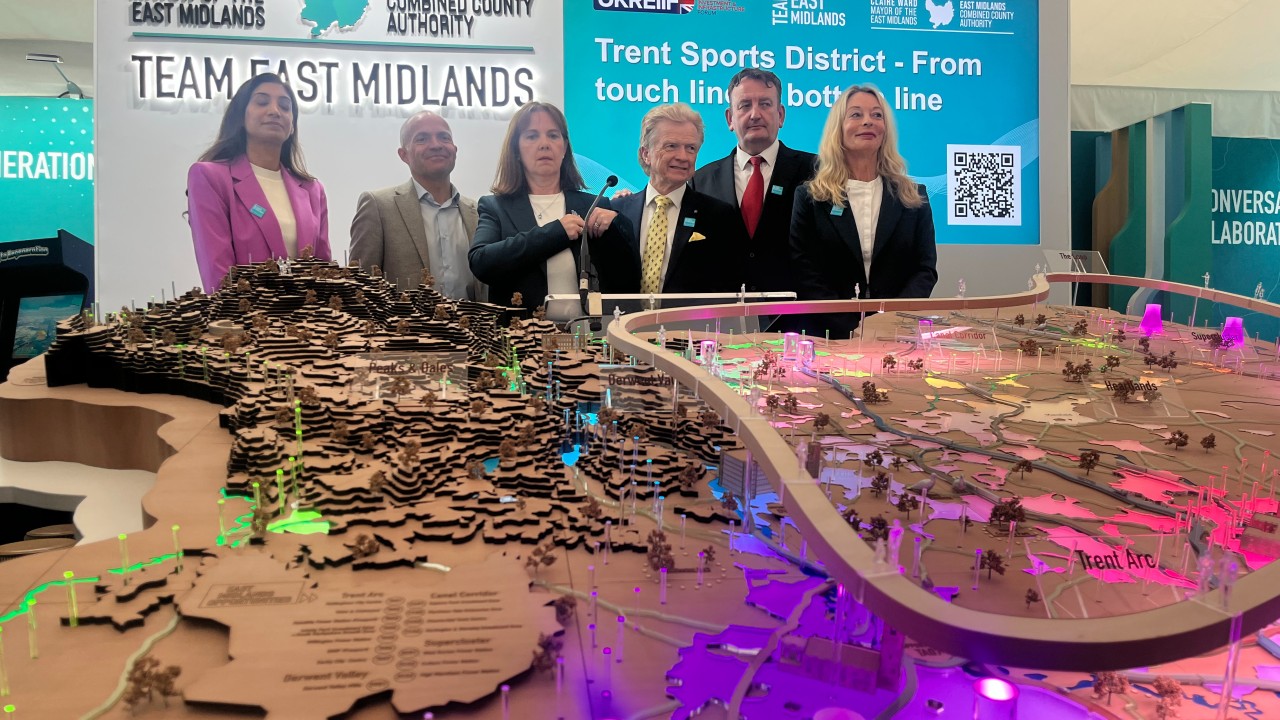
A few weeks have passed since UKREiiF 2026, giving us the opportunity to reflect on the conversations, ideas and themes that emerged across a packed programme of discussions in Leeds.
One message stood out consistently throughout the event: the role of sport and leisure infrastructure is changing. Increasingly, the conversation is moving beyond the idea of the leisure centre as a standalone building. Instead, these places are being recognised as vital pieces of social infrastructure that contribute to healthier communities, stronger local economies and improved quality of life.
For those working in the built environment, this shift represents an exciting opportunity to rethink the value that leisure facilities create and the role architecture can play in delivering long-term social impact.
Leisure as Preventative Infrastructure
One of the strongest themes throughout UKREiiF was the growing recognition of leisure and wellness facilities as preventative infrastructure.
Traditionally, investment in leisure has often been assessed through business cases centred on operational performance, revenue generation and financial sustainability. While these remain important considerations, discussions increasingly focused on the wider value these facilities generate.
High-quality leisure environments contribute to healthier lifestyles, increased physical activity, reduced pressure on healthcare services, stronger social connections and improved community wellbeing. These long-term outcomes create benefits that extend far beyond the operation of the building itself.
With around 2,700 publicly owned leisure centres across the UK and approximately £1.4 billion invested annually in the sector, there is growing recognition that investment decisions should increasingly consider health outcomes, prevention and wider social value alongside financial performance.
Designing for Everyone
Another recurring discussion centred on engagement and inclusion.
Rather than designing solely around existing users, many conversations explored how we better understand and engage with people who currently don’t participate.
How do we create environments that feel welcoming to those who may find traditional fitness spaces intimidating? How do buildings encourage movement naturally, without relying solely on organised exercise?
One phrase that particularly resonated was “exercise by stealth” – the idea that well-designed environments can encourage healthier behaviours through everyday experiences rather than formal exercise alone. It reflects a broader shift towards creating places that support wellbeing through accessibility, flexibility and inclusive design.
The Power of Sport-Led Regeneration
Sport-led regeneration was another major topic across the conference.
Examples including Elland Road, Trent Bridge and wider regional investment demonstrated how sporting infrastructure can act as a catalyst for economic growth, improved transport, tourism and community pride.
Alongside discussions around elite sport, there was also growing recognition of the importance of ensuring these investments deliver meaningful benefits for local communities. Integrating accessible community facilities and encouraging everyday participation alongside elite sporting environments has the potential to create places that deliver lasting value for everyone.
The Continued Growth of Women’s Sport
Another encouraging theme was the continued growth of women’s sport and the opportunities this presents for the built environment.
As audiences continue to evolve, venue design, spectator experiences and supporting facilities are beginning to respond in new ways. Conversations explored how future developments can better accommodate changing expectations while creating more inclusive environments for participants and spectators alike.
It’s an area that will continue to shape the future of sports venue design over the coming years.
Looking Ahead
Reflecting on the conversations from UKREiiF 2026, one message remains clear.
The most successful developments are no longer judged solely by the buildings themselves, but by the outcomes they enable. Whether supporting healthier lifestyles, strengthening communities, driving regeneration or creating more inclusive places, the value of sport and leisure infrastructure extends far beyond its physical footprint.
It’s a principle that closely aligns with our own People Architecture philosophy. Designing places that improve lives has always been at the heart of what we do, and the conversations at UKREiiF reinforced that this way of thinking is becoming increasingly central to the future of the built environment.